

Health & Care
Create differentiated solutions for nutraceuticals, medical applications, animals, dermo-cosmetics, personal care, oral care and hair care.
Learn more
Technology - Fungal Chitin-Glucan
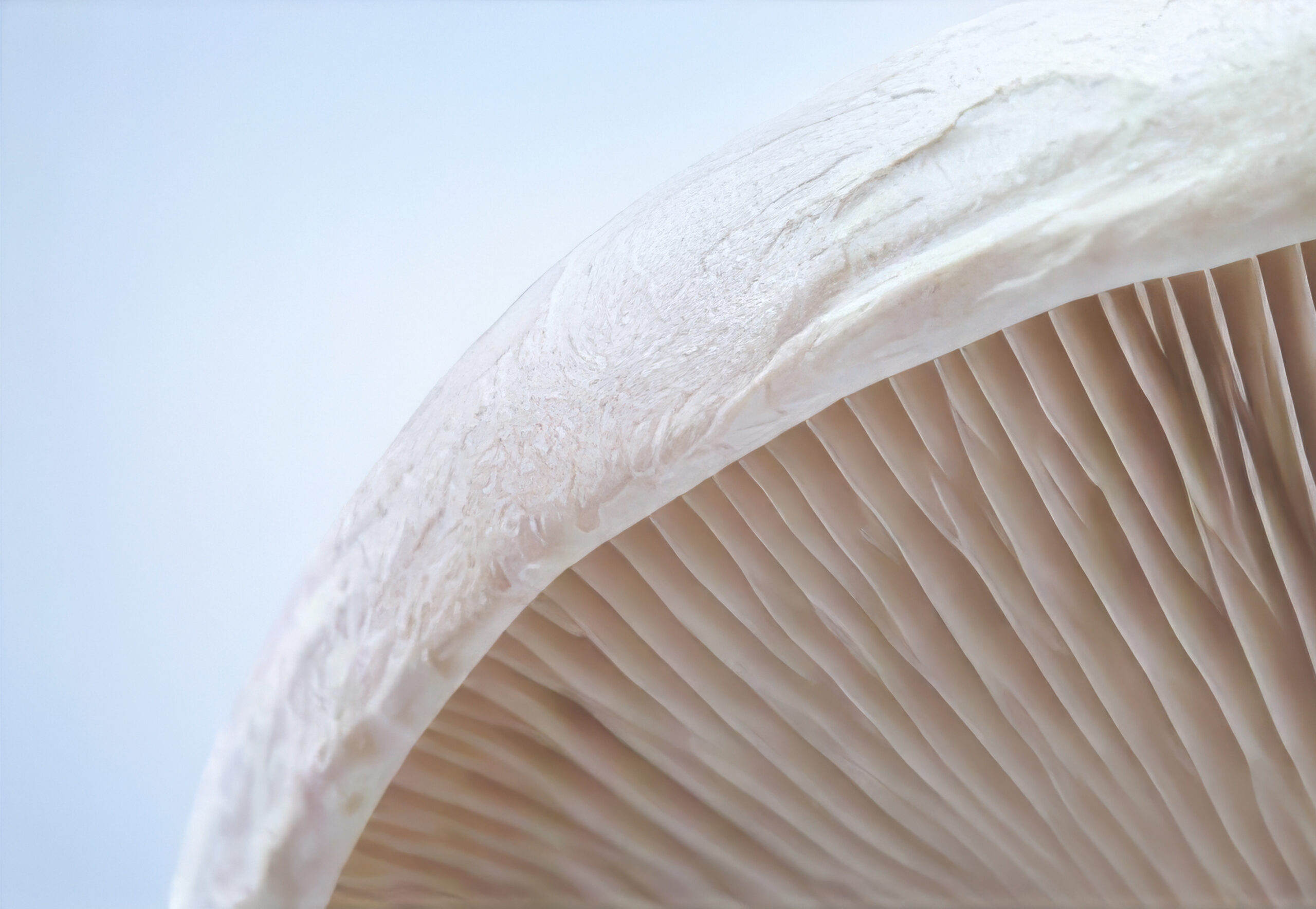
KitOzyme's fungal Chitin-Glucan is a proprietary biopolymer discovered, characterized, and patented by our research team, extracted from the cell walls of Aspergillus niger mushroom.
As the only industrial-scale producer of fungal Chitin-Glucan in the world, KitOzyme has developed a unique and patented technology platform based on a tridimensional biopolymer structure combining chitin and beta (1,3) glucan.

The architecture of Chitin-Glucan is its defining scientific feature. Chitin contributes to the structural integrity of the molecule, while beta (1,3) glucan provides documented biological activity, including immunomodulatory and prebiotic potential. Together, they create a unique tridimensional structure with functional properties not achievable through either molecule alone.
In human nutrition, as an insoluble dietary fiber, Chitin-Glucan resists digestion in the small intestine and reaches the colon largely intact. These interactions enable multiple documented functionalities across applications :
Beyond human nutrition, this unique structure also opens broader functional opportunities for other applications, including winemaking, cosmetics, and additional technology platforms.
By combining structural fiber and beta-glucan activity in a single molecule, KitOzyme’s Chitin-Glucan delivers multiple documented functional benefits within one unique ingredient platform.
Chitin-glucan occupies a category that did not exist before KitOzyme created it. No other manufacturer produces fungal Chitin-Glucan at industrial scale, and no equivalent molecule exists from animal, plant, or marine sources.
This unique and patented technology platform, supported by strong preclinical and clinical evidence in human health, gives formulators access to multiple documented functional benefits in a single ingredient, creating clear advantages for product development:
And a regulatory track record to match.
KitOzyme’s Chitin-Glucan benefits from strong regulatory recognition, including FDA GRAS classification and Novel Food status in the European Union.
Together, these elements make KitOzyme’s chitin-glucan more than an ingredient. They make it a unique technological and scientific platform that supports innovation across multiple markets.
DOMAINS
KitOzyme has built a portfolio of Chitin-Glucan-based solutions serving multiple industries through this unique technology platform.
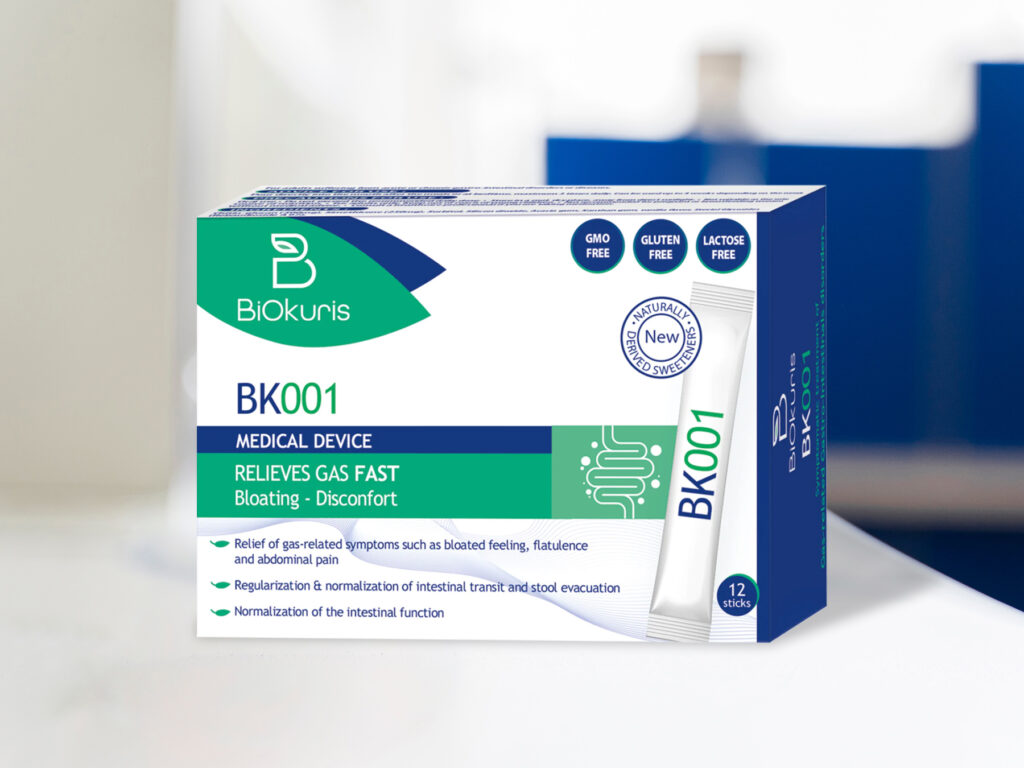
KitOzyme's chitin-glucan is currently valorized through our affiliate BiOkuris in the field of digestive health, with ongoing developments in cardiometabolic health.
It is also used in KitOwine™ for microbiological control in winemaking.
Health & Care
Create differentiated solutions for nutraceuticals, medical applications, animals, dermo-cosmetics, personal care, oral care and hair care.
Learn more
Food & Beverage
Improve functionality, support product preservation, and address key winemaking challenges with natural biopolymer solutions.
Learn more
Agriculture
Support crop resilience, plant defence, and biocontrol with fungal chitosan technologies.
Learn more
Technologies
Nature-inspired. Engineered for your application.
Learn moreFind clear, science-backed answers to common questions about our fungal biopolymers, applications, regulatory compliance, and formulation integration.
All questionsYes. Chitin-glucan has been approved as a Novel Food in the European Union and is classified FDA-GRAS in the United States.
Yes. Produced from fungal biomass, it contains no animal-derived components and no known allergens.
Beta-glucan is a single polysaccharide chain. Chitin-glucan is a tridimensional complex in which chitin and beta (1,3) glucan are structurally bonded giving it distinct biological behaviour and a different fermentation profile compared to isolated beta-glucan.